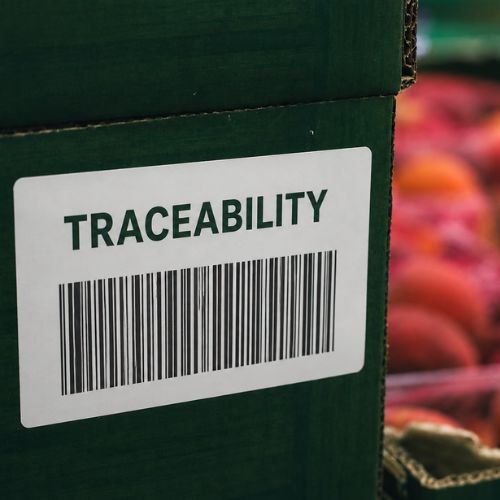
Traceability is the ability to follow a product throughout the supply chain, identifying its origin and location at every stage. It is essential, as it enables businesses and authorities to quickly identify batches and take targeted action when a potential food-safety issue arises. Under EU food law and national enforcement measures, traceability requirements are applied throughout the fresh fruit and vegetable supply chain. More specifically, each package placed on the market must display the required product and origin information, including details identifying the packer and/or dispatcher. Businesses involved in the supply chain must also keep records linking each batch to the relevant operators and stages of production, packing, transport and distribution. Quality and food-safety management systems further support the consistent and effective implementation of these requirements.
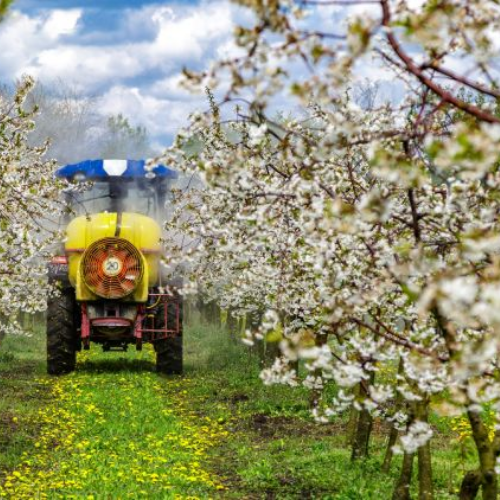
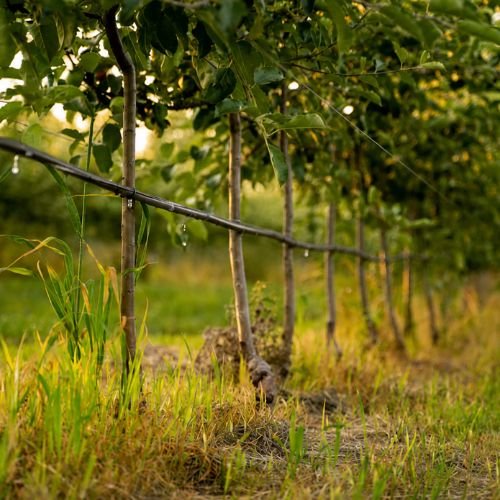
Fruit quality is shaped throughout the production process, particularly during cultivation and harvesting. It is reflected in characteristics such as freshness, maturity, color, size, firmness, flavor, aroma and overall appearance. Growers carefully monitor crop development to determine the most suitable harvesting time. This commitment is reflected in the programme message “Picked at Their Peak”, highlighting fruit harvested when its defining qualities have fully developed. After harvesting, careful sorting, grading and gentle handling help preserve these characteristics and ensure that products placed on the market comply with applicable European standards, maintaining their quality and freshness.
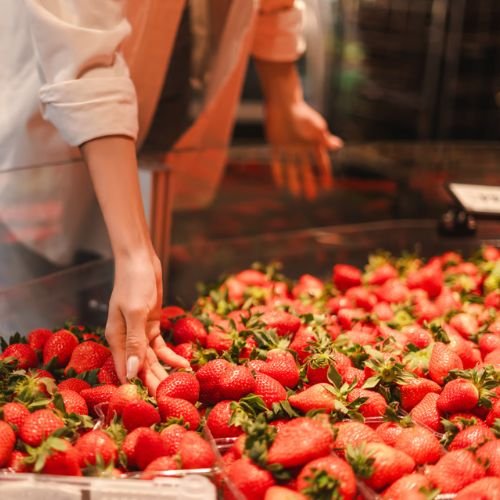
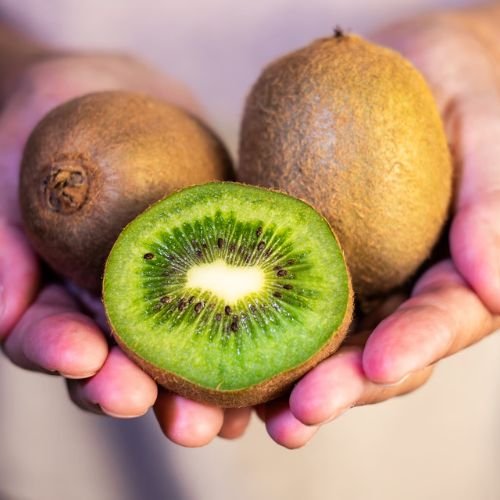
Fresh fruit and vegetables contain water, dietary fiber, vitamins and minerals, making them an important part of a healthy, varied and balanced diet. As each fruit and vegetable offers its own combination of nutrients, choosing a variety helps broaden the range of nutrients in the diet. Across Europe, national food-based dietary guidelines encourage their regular consumption.
While the programme promotes a general target of at least five portions a day. Fruits and vegetables can easily become part of everyday eating habits when enjoyed at breakfast, included in meals or chosen as snacks.