The Lithuanian Food-Based Dietary Guidelines recommend at least 500 g, or 5 portions, of vegetables, fruits and berries daily, including at least 350 g of vegetables (excluding potatoes) and 150–250 g of fruits and berries, with some included in every meal. One portion may be a bowl of salad, a medium-sized cucumber or apple, or a handful of berries. Plant-based foods should be chosen more often, preferably fresh, although frozen, fermented and moderately thermally processed options are also suitable. Juices contain less fiber, while juices and dried fruits and berries are high in sugars, so they should be limited. Whole grains are recommended daily, legumes several times a week, and unsalted nuts and seeds regularly. Red meat should be limited to 350 g per week and processed meat avoided. The guidelines also recommend low-fat dairy products, at least 300–450 g of fish per week, moderate egg consumption, replacing animal fats and foods high in saturated fats with vegetable oils, drinking water or lightly mineralized natural mineral water, and eating regularly 3–5 times a day.
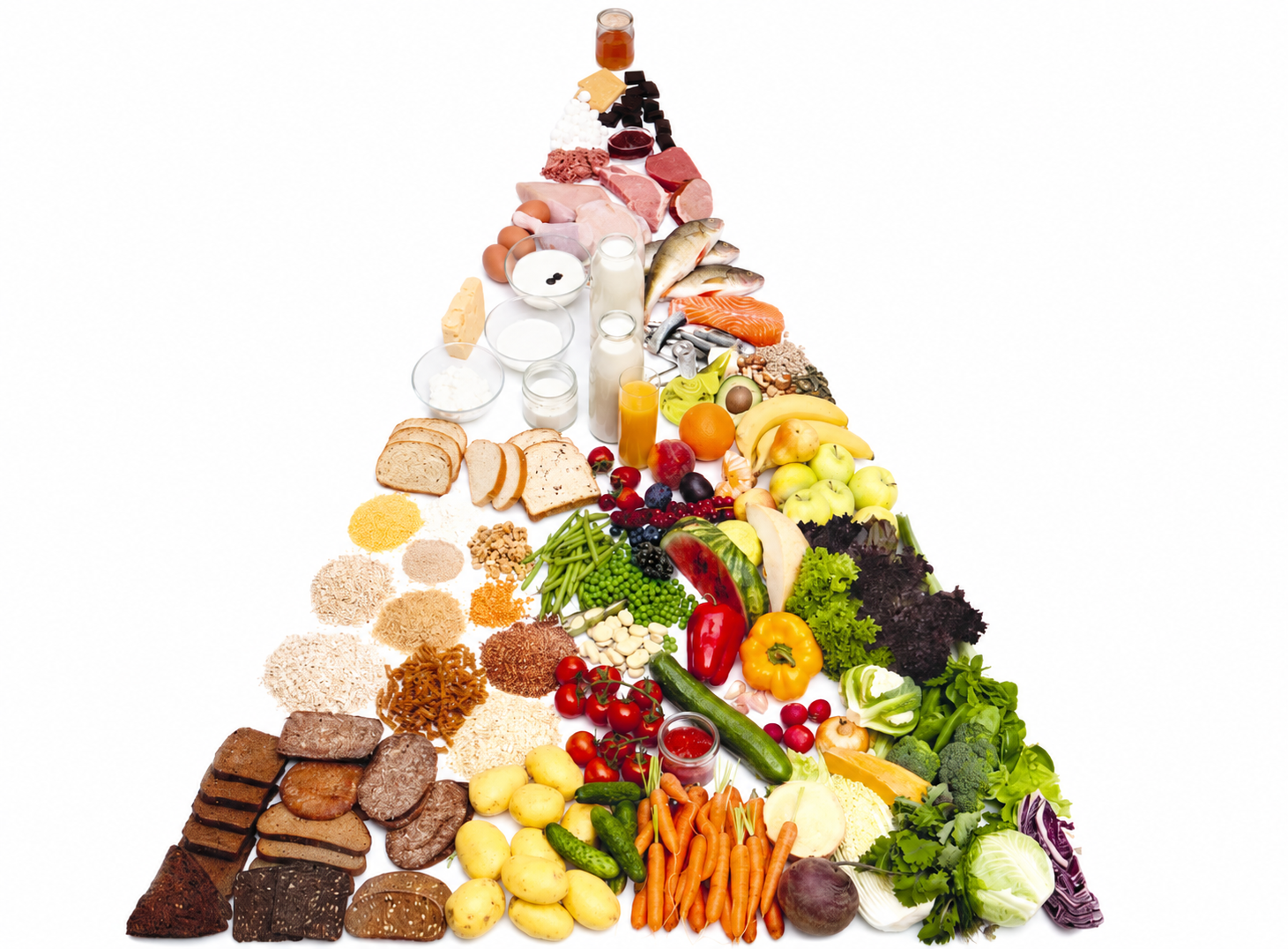
Choosing a variety of plant-based foods provides vitamins, minerals, fiber, flavonoids, phenols, phytosterols and other beneficial substances that are absent or present only in small amounts in animal products. Whole grains products provide fiber, minerals and vitamins, legumes provide dietary fiber, protein, iron, zinc and calcium and nuts and seeds provide unsaturated fatty acids, protein, dietary fiber, magnesium, selenium, zinc and vitamin E. Fruits and vegetables can contain 90% water or more, contributing significant water through food.This high-water content is another characteristic of fresh fruits, including EUFreshBalt apples, pears, peaches, nectarines, strawberries and kiwifruit, which can be enjoyed in different ways throughout the day. Together, these foods contrtibute a varied diet alongside the other food groups recommended in the Lithuanian Food-Based Dietary Guidelines.
Sustainable nutrition helps preserve nature and food resources while reducing food waste. EUFreshBalt fresh fruits are produced using sustainable practices and can form part of the recommended daily fruit intake. Enjoy them fresh, at breakfast or as a snack, or use them in different dishes while keeping recommended portions in mind. Discover our recipes for more ideas on how to include EUFreshBalt fruits in your everyday diet.
Sources:
[1] Sveikos ir tvarios mitybos rekomendacijos (2025)