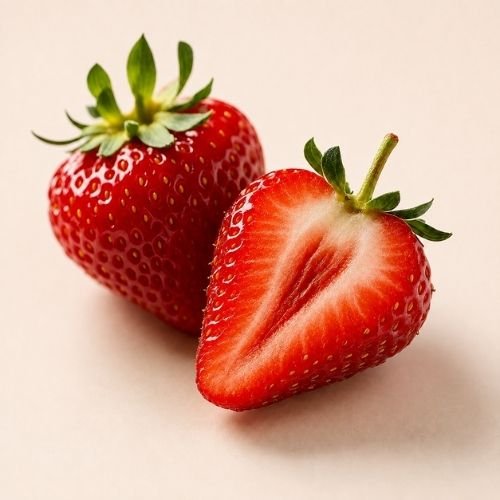
Strawberries stand out from other commonly consumed fruits because of their distinctive botanical characteristics. More specifically, the small yellow features covering their surface are not simply seeds, but individual fruits called achenes. Unlike most fruits, whose edible part develops primarily from the flower’s ovary, the soft, juicy red part of the strawberry is the enlarged flower receptacle, while the green leafy top is the calyx. Equally distinctive is their sensory profile, which combines natural sweetness with gentle acidity and an intense, fresh and instantly recognisable fruity aroma. This appealing combination makes them a favourite among consumers of all ages.
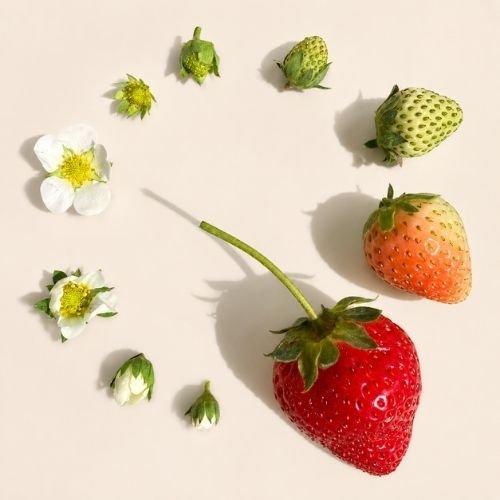
Behind every European strawberry lies a combination of agricultural expertise, careful cultivation, and respect for nature. Successful production involves appropriate irrigation, balanced fertilisation, crop protection and effective pollination. Honeybees and bumblebees can contribute to this process, helping to produce well-formed, uniform fruits. Greek strawberries are mainly grown under protected conditions, particularly in plastic tunnels, while some are also cultivated in open fields. Harvesting takes place from January to May, with the largest volumes concentrated during spring.
Unlike climacteric fruits, strawberries do not continue to ripen after harvest. This is what “Picked at Their Peak” means for strawberries, each fruit is carefully hand-picked once it has reached the appropriate stage of ripeness and developed its characteristic red colour, balanced sweetness and refreshing acidity, while retaining sufficient firmness for handling. Combined with careful sorting, this harvesting practice helps strawberries retain their freshness, flavor and attractive color.
As delicate and highly perishable fruits, strawberries require appropriate handling after harvest. Following sorting, they are placed in suitable, well-ventilated packaging and kept under controlled temperatures throughout storage and transport, helping to maintain their quality until they reach consumers.
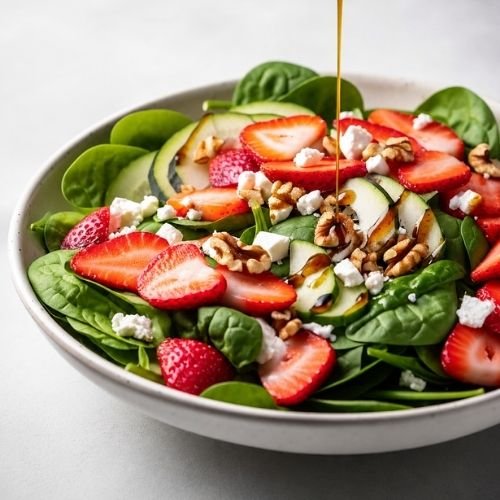
Strawberries can add freshness, color and nutritional value to everyday eating. Give your salad a fresh, colorful twist with sliced strawberries and enjoy their naturally sweet and gently tangy contrast. Click here for more simple ideas on how to include fruit and vegetables in your everyday meals.