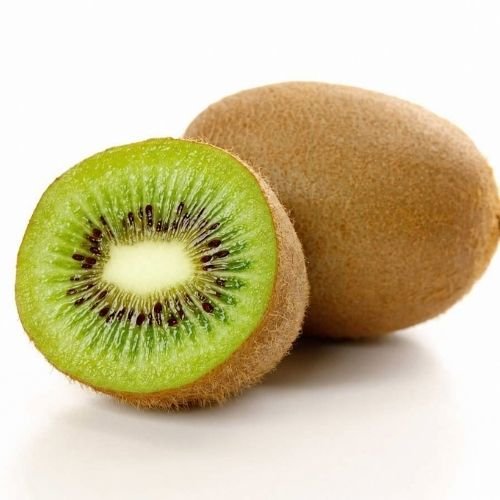
Green kiwi is truly distinctive, with a combination of characteristics rarely found together in other fruits. Its brown, downy skin and soft, vibrant green flesh create a striking visual contrast. More specifically, the thin, textured peel shapes its outer appearance, while inside, tiny black seeds form a radial pattern around the off-white central core, creating the fruit’s unique internal structure.
Beyond contributing to this characteristic appearance, the central core is associated with placental tissue, which supports the seeds and contains vascular bundles that supply them with water and nutrients as they develop. Completing this distinctive profile, the juicy, glossy flesh offers a subtly tropical aroma with gentle citrus notes and a refreshing balance of sweetness and acidity.
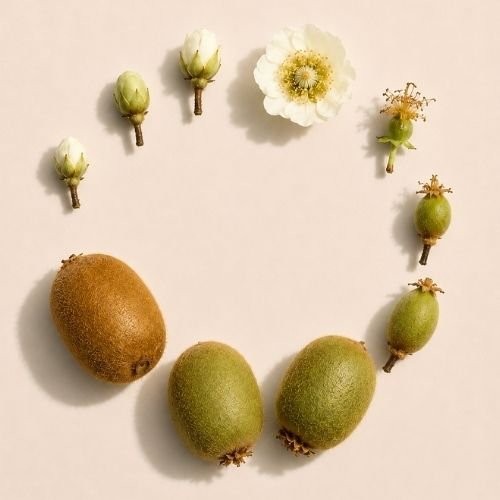
Kiwifruit vines are perennial, and well-established orchard that can remain productive for many years. They require a consistent and carefully managed water supply throughout the growing season, which is commonly provided through micro- sprinkler or drip irrigation systems. Although plant- protection interventions may be relatively limited when the crop is properly managed, monitoring remains essential, alongside cultivation practices such as pruning, canopy management and balanced fertilisation.
Every stage of production is carried out in accordance with European and national requirements for food safety, traceability and sustainability. In line with these requirements, kiwis promoted through the EUFreshBalt programme come from orchards certified under recognised schemes such as GLOBALG.A.P. or AGRO 2. These schemes require documented procedures and systematic record-keeping, strengthening oversight of farming activities and contributing to the production of safe fruit.
Harvesting is a critical stage in kiwifruit production, as the fruit must be picked at the appropriate stage of physiological maturity. This allows its characteristic flavor, aroma and texture to develop properly after harvest, while supporting storage from six up to eight months under suitable conditions. This is what “Picked at Their Peak” means for kiwifruit. In Greece, national requirements regulate both the timing of harvest and the maturity of fruit entering the supply chain. The season generally begins in mid-October and Greek kiwifruit is typically available from October to May.
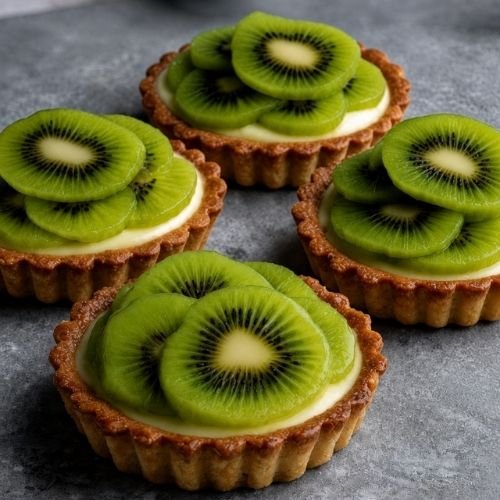
Its nutritional profile, refreshing taste and texture make kiwifruit a versatile choice for everyday eating. Kiwifruit can be enjoyed at breakfast, as a snack or in a variety of desserts. Pack it as a practical addition to school lunchboxes or serve it as an enjoyable afternoon snack. For more ideas on how to include fruit in your daily diet, discover our recipes.